Madagascar is not only famous for its unique wildlife, with around 90% of its wildlife species endemic to the island, but also for its rich cultural heritage. With historical roots in Southeast Asia and East Africa, the Malagasy people have developed diverse traditions and values over centuries. From the spirit of solidarity known as Fihavanana to ancestral ceremonies, discover three Malagasy traditions that reveal the heart of Madagascar’s culture.
1. Fihavanana: the Malagasy spirit of solidarity
Fihavanana is a fundamental Malagasy value that expresses the importance of maintaining good relationships with others. It reflects the belief that people are connected and that community well-being matters alongside individual interests. Fihavanana encourages people to support one another, help neighbors in times of difficulty, maintain family ties. It is reflected in everyday gestures of kindness, hospitality and cooperation. Take time to listen, exchange smiles, learn a few Malagasy words and show genuine interest in local life. Even when language differences exist, respectful gestures and shared experiences can create meaningful connections.
2. Famadihana
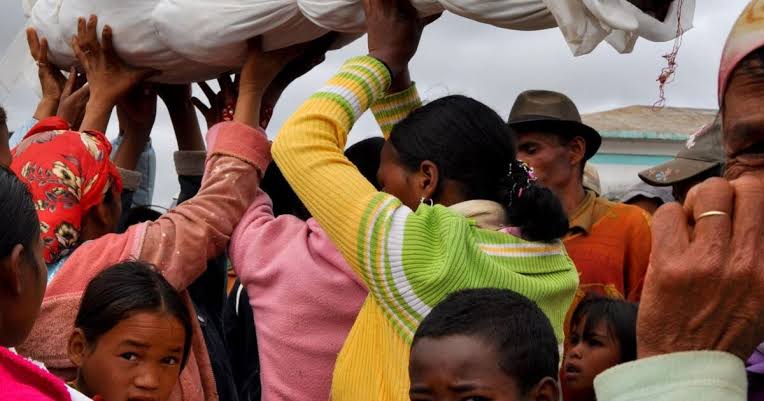
Famadihana, often translated as the “turning of the bones,” is an ancestral ceremony practiced by some Malagasy communities, particularly in parts of the central highlands. It reflects the importance of family relationships and the enduring connection between the living and their ancestors. For families who practice this tradition, the ceremony is an expression of remembrance. It involve gathering relatives, honoring ancestors, rewrapping ancestral remains in fresh shrouds. Also a joyfull moment spend by sharing music, dancing and communal meals. Famadihana does not follow one national calendar date. The timing depends on family traditions, local customs. If you are fortunate enough to receive an invitation, approach the experience with humility and respect. Always ask permission before taking photographs, follow the guide guidance during the ceremony.
3. Famorana
Famorana is the Malagasy term for circumcision. It is an important family and cultural milestone in many Malagasy communities. The celebrations varying according to regional traditions and family beliefs. It symbolize a child’s transition into a new stage of life and reinforce family and community ties. Famorana carries cultural and religious significance. It brings relatives together and provides an opportunity to pass on customs and values from one generation to the next. The Antambahoaka community around Mananjary in southeastern Madagascar, a distinctive collective circumcision celebration known as Sambatra takes place every seven years. Famorana traditions exist in different parts of Madagascar, but ceremonies differ considerably. Sambatra is particularly associated with the Antambahoaka community around Mananjary.
Discovering Madagascar is not limited to exploring its spotting lemurs. It also means taking the time to understand the people who call this island home. Responsible travel is also about respecting cultural identity, traditions without turning them into performances for visitors. A smile, a shared meal, a conversation with a local guide or a visit to a women’s craft workshop can become a meaningful part of your journey. You do not need to speak the same language to show respect, curiosity and appreciation. At Lemur-Baobab Madagascar Tours (LBM), we believe that tourism should create meaningful connections and positive local impact. Our experiences bring travelers closer to Malagasy culture through local guides and community-based activities.