FAQ
Essential answers to help you prepare your sustainable and immersive trip to Madagascar
Is Madagascar a safe country to travel to?
Yes, overall Madagascar is a welcoming country with warm and peaceful people. Violence is rare, especially in rural areas where our tours take place.
As anywhere, it is recommended to remain vigilant in cities, especially at night (in Antananarivo, Tamatave, etc.), avoid displaying valuable items, and follow your guide's advice.
What is the best time to visit Madagascar?
Dry season: April to November
Ideal for tours, hiking, roads are more accessible.
Rainy season: December to March
To avoid in certain regions (blocked roads), but the highlands may still be accessible for cultural stays.
Is tap water drinkable?
No. Tap water is not drinkable in most of the country.
We recommend drinking only bottled or treated water, which we provide during our tours. Also avoid ice cubes in drinks outside reliable tourist facilities.
Are local guides essential?
Yes, and it's at the heart of our commitment. All our tours are accompanied by trained local guides.
They not only ensure your safety, but above all provide genuine cultural immersion: explanations, translations, customs, interactions with villagers.
At Lemur-Baobab, all guides and drivers are from the regions visited and regularly trained.
What is the condition of roads in Madagascar?
The road network varies greatly:
- Main national roads (Tana – Tulear, Tana – Morondava…): often paved, but with deteriorated sections.
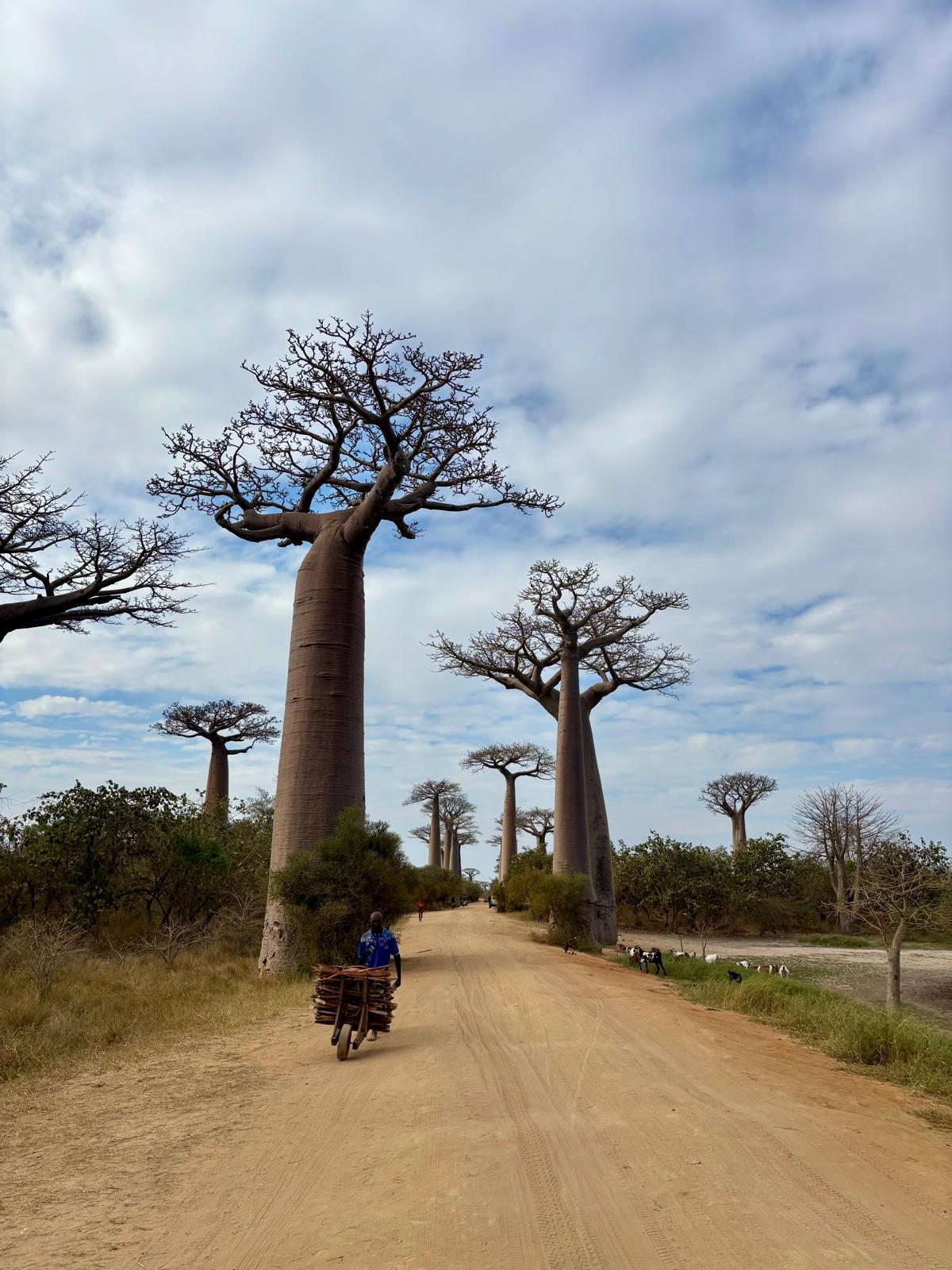
- Secondary tracks: sometimes difficult, but offer magnificent landscapes.
Travel times are often expressed in hours, not kilometers, because the average speed is low. That's why our 4x4 vehicles or minibuses are suitable and driven by professional drivers.
Can we book flights with you?
Domestic flights: Yes We organize them for you.
International flights: No As a local agency, we cannot sell them.
We advise you to book them early via platforms like Skyscanner, Kayak, or through agencies to benefit from the best rates.
What do people eat in Madagascar?
The staple dish is rice, accompanied by meat, fish, or vegetable-based sauces.
You'll also taste local specialties depending on the region: tropical fruits, seafood, grilled zebu, fritters.
Meals are adapted to your dietary requirements (vegetarian, gluten-free, allergies), if specified in advance.
Can we take photos of people?
Yes, but always ask permission first, out of respect.
Malagasy people are often open and smiling, but certain situations or beliefs (fady) make photography sensitive, especially with elderly people or during ceremonies.
Your guide will indicate the best practices.
Any advice before the adventure?
- Learn a bit about Malagasy culture (language, traditions, fady).
- Learn a few words in Malagasy: salama, misaotra, veloma!
- Travel light but well-equipped: good shoes, hat, covering clothes.
- Keep an open mind, a flexible pace, and a smile: here we live "mora mora" (slowly but surely).