Madagascar is not just a land of breathtaking landscapes and unique wildlife – it is also home to a vibrant and diverse cultural heritage. At Lemur Baobab Madagascar, we believe that every journey becomes unforgettable when you experience the traditions, values, and daily life of the Malagasy people. From ancestral rituals to colorful markets and warm hospitality, Malagasy culture is a treasure waiting to be explored.
1. A Cultural Mosaic of 18 Ethnic Groups
Madagascar’s population is composed of 18 official ethnic groups, each with its own customs, dialects, and way of life.
- The Merina people of the Highlands are known for rice cultivation and elegant hilltop villages.
- The Betsileo are famous for terraced rice fields and skilled woodcraft.
- Along the coasts, the Sakalava, Vezo, and Antandroy communities keep maritime and nomadic traditions alive.
Despite their differences, these groups share one powerful value: Fihavanana, meaning family spirit, solidarity, and mutual respect.
2. Traditional Ceremonies and Ancestral Beliefs
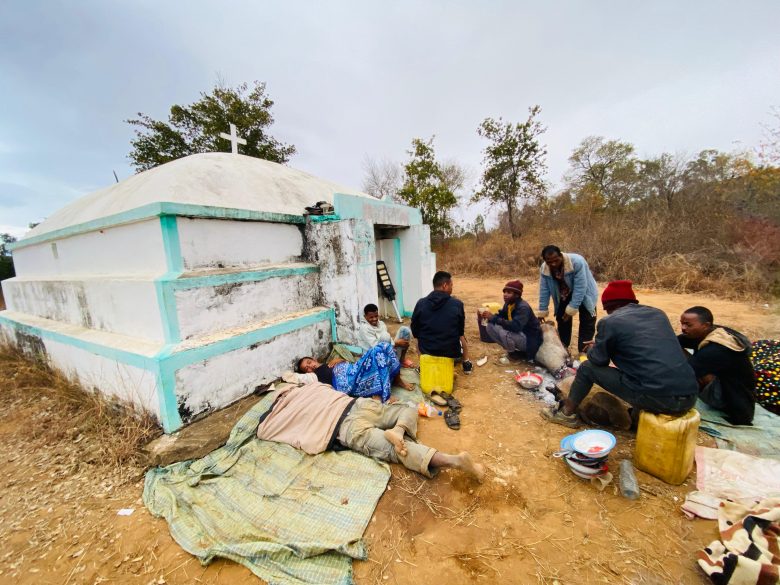
Malagasy people hold a deep respect for their ancestors, believing they continue to protect and guide the living.
Famadihana – The Turning of the Bones
This unique ceremony involves rewrapping and celebrating the remains of ancestors with music, dance, and family gatherings. It is a symbol of love, remembrance, and unity.
Kabary – The Art of Public Speech
Kabary is a traditional form of poetic speech used during weddings, funerals, and community events. It showcases wisdom, respect, and the beauty of the Malagasy language.
Many regions also follow Fady (taboos) – sacred rules or prohibitions passed down through generations, often linked to nature, animals, or spiritual places.
3. Music, Dance, and Artistic Expression
Music plays a central role in Malagasy celebrations. The valiha, a bamboo tube zither, is the national instrument. Its soft, melodic sound can be heard during ceremonies and village gatherings.
Popular traditional dances include:
- Hira Gasy – music, theater, and storytelling in the Highlands.
- Salegy – lively coastal music with fast rhythms and joyful dancing.
- Kilalaky – a rhythmic dance often performed during festivals in southern Madagascar.
Handcrafted arts are also part of daily life. Travelers will find beautifully made raffia products, zebu horn jewelry, wood carvings, and handwoven silk scarves (Lamba).
4. Malagasy Cuisine: Simple, Fresh, and Flavorful
Food is an important part of Malagasy identity. Rice (Vary) is eaten at every meal, often accompanied by laoka – side dishes made with vegetables, meat, or seafood.
Must-try Malagasy dishes include:
- Romazava – a traditional beef and leafy green stew.
- Ravitoto – cassava leaves crushed and cooked with pork.
- Mofo Gasy – sweet rice flour pancakes sold in the streets each morning.
- Fresh seafood from coastal regions and exotic fruits like lychees, mangoes, and papayas.
5. Everyday Life and Warm Hospitality
Malagasy people are known for their kindness, generosity, and hospitality. Visitors are often welcomed with a smile and the phrase “Mandra-pihaona” – See you again.
Traditional houses are built using local materials such as wood, clay, and thatched roofs. Markets are a lively part of local life, filled with spices, handmade crafts, tropical fruits, and bright fabrics.
6. Experience Malagasy Culture with Lemur Baobab Madagascar
At Lemur Baobab Madagascar, we offer authentic cultural tours across the island:
✅ Homestays with local families
✅ Visits to traditional villages and artisan workshops
✅ Participation in local festivals, music, and dance
✅ Guided exploration of historical sites and ancestral traditions
We create meaningful travel experiences that connect you with the heart of Madagascar – its people and their stories.
📌 Final Thoughts
Malagasy culture is a beautiful blend of African, Asian, and Arab influences, shaped by centuries of history and tradition. It is a culture of respect, community, and harmony with nature. When you travel with Lemur Baobab Madagascar, you don’t just visit a destination – you live and feel its soul.